


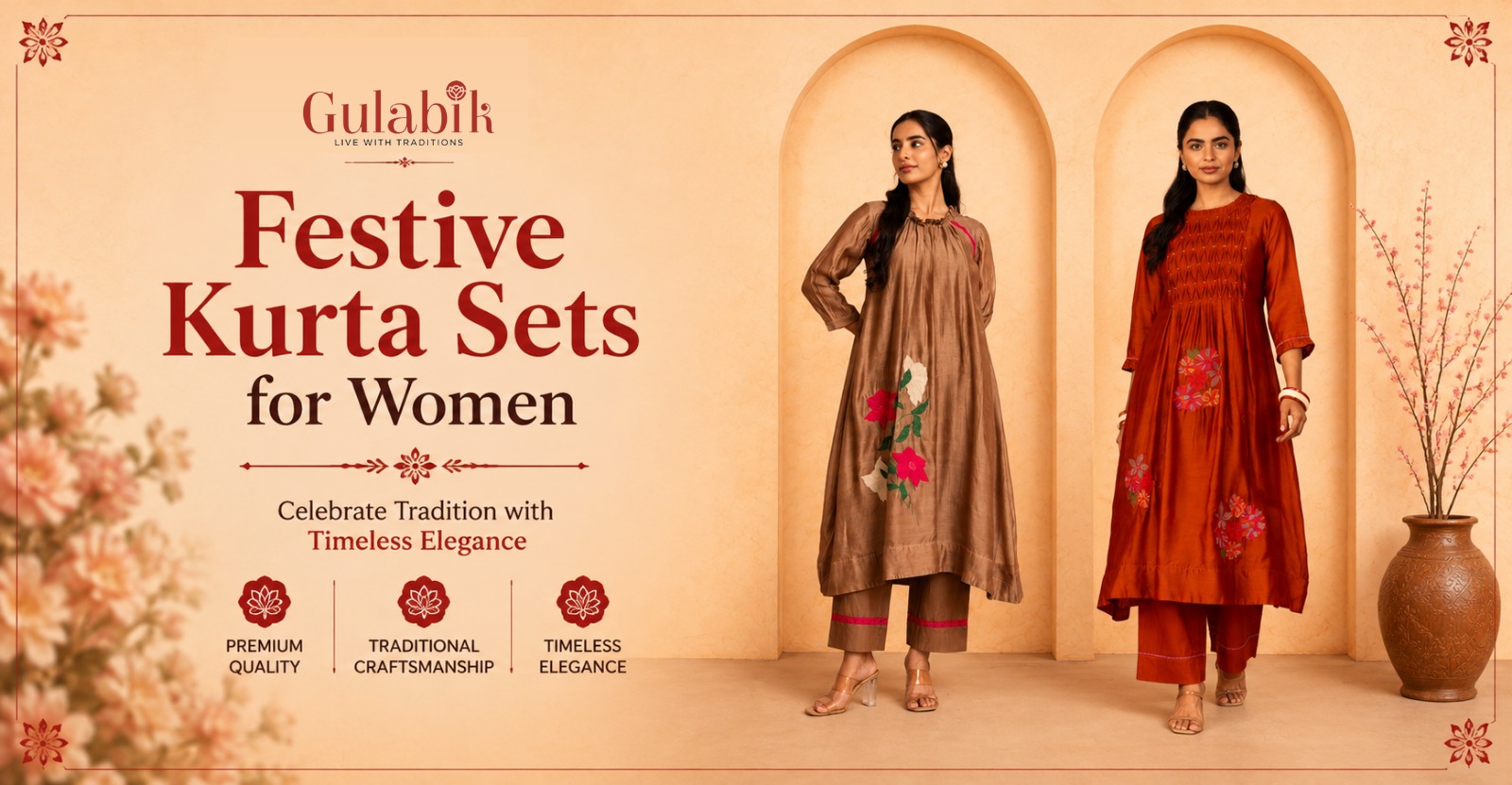
Getting dressed in Indian wear used to be a whole event. A saree needed someone who actually knew how to drape one. A lehenga meant planning your entire day around a heavy hemline. And the salwar kameez came with the eternal dupatta struggle — pin it, drape it, or lose it somewhere between the auto stand and the office lobby.
At some point, enough of us started asking the same quiet question: why does wearing our own clothes have to feel this complicated?
That question, more than any designer or trend forecast, is what gave birth to the ethnic co ord sets for women. Not as a fashion statement initially, but as a genuine answer to a very real problem faced by Indian women every single morning.
The Anatomy of a Fashion Revolution
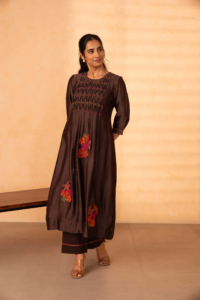
The simplest way to explain it: imagine waking up, pulling on a kurta and trouser that were made for each other, and walking out the door feeling put-together. No mirror panic. No last-minute dupatta search. Just done.
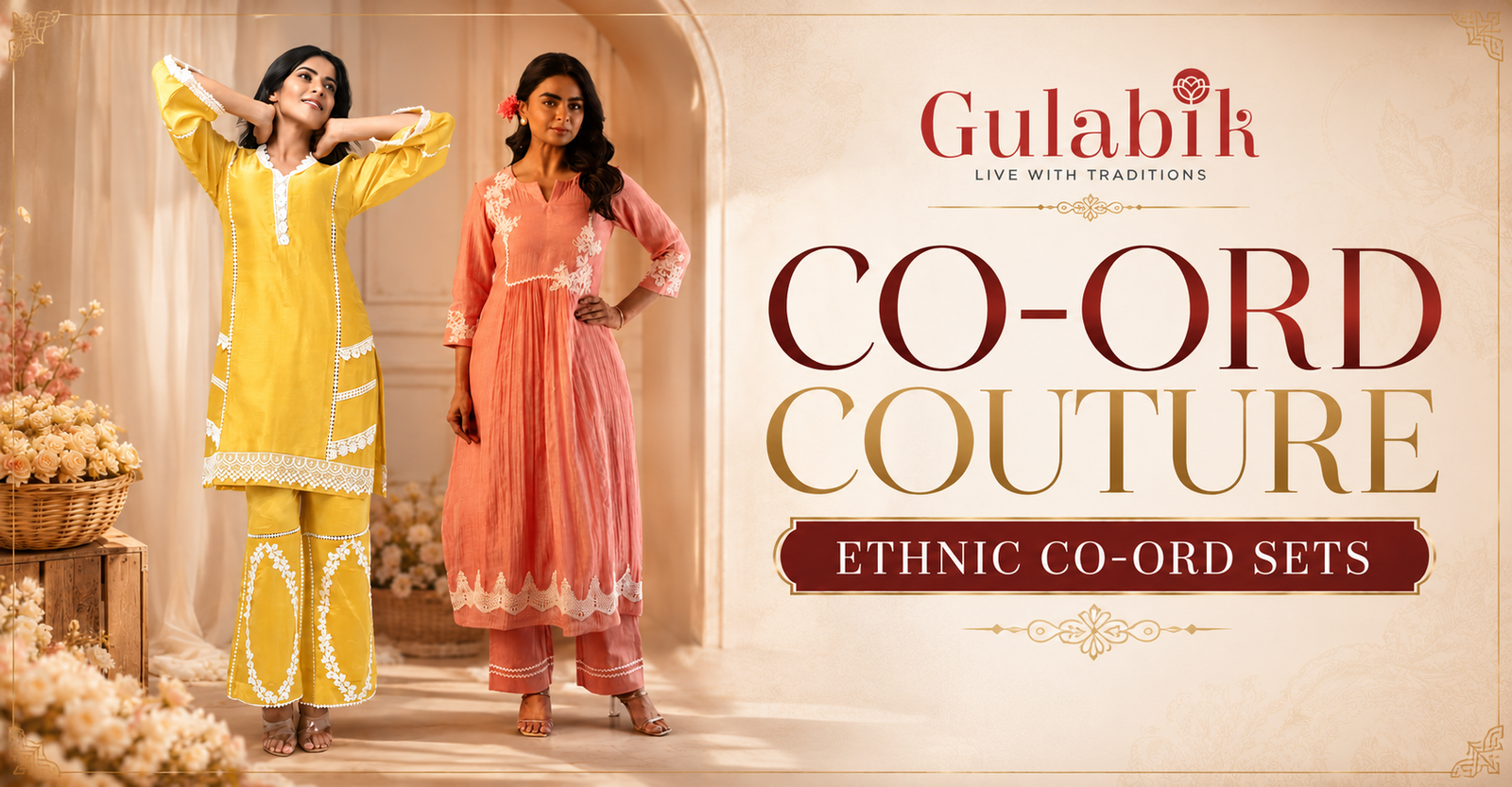
That’s the entire premise of an ethnic co ord sets for women, a matching or complementary top and bottom, made from fabrics that feel as considered as they look. Chanderi, cotton, silk organza, chosen because they drape well, breathe through a full working day, and hold their shape without much effort on your part.
Silhouette Diversity
What genuinely surprised people as this category grew was the sheer range of silhouettes available. A peplum top with dhoti pants reads festive and playful — perfect for a mehendi where you want to look dressed without being overdressed. A long tunic with straight-cut trousers is boardroom-ready and clean. A crop top with high-waisted palazzos sits somewhere between contemporary and culturally rooted. Different builds, different occasions, different moods , the ethnic co ord sets for women have genuine room for all of it.
The Comfort Quotient
Traditional Indian wear is stunning. Nobody’s arguing that. But it wasn’t designed with a 40-degree afternoon commute in mind. The Ethnic Co-ord Sets. especially in cotton, feels like it was made by someone who has actually lived through Indian summers — someone who understands what it means to sit through back-to-back meetings and then step outside into the heat. Breathable fabric, no safety pins, no layers to mentally manage. You wear it and get on with your day.
The Cultural Significance of “The Match”
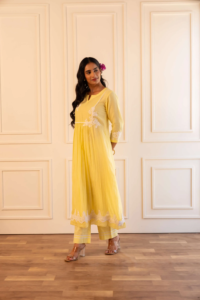
There’s a tendency to look at co-ord sets and call them Western-influenced. But coordination in Indian dressing is genuinely ancient. The Set Mundu of Kerala is a two-piece by design. The Pheran and Salwar of Kashmir were always meant to go together. Monochromatic harmony and matching borders have been part of Indian wardrobes for centuries, long before the word “co-ord” existed in fashion vocabulary.
When you wear an ethnic co ord sets for women, you’re not following a borrowed trend. You’re continuing a tradition that simply got a more modern silhouette.
At Gulabik, this heritage informs every design decision. The hand-block prints, the embroidery placement, the way a border finishes a hem — these details exist because the garment should feel rooted even when the cut is contemporary. The silhouette can be modern. The soul doesn’t need to change.
Why Gulabik is the Destination for Fusion Wear
Gulabik doesn’t have one standout differentiator. It has a dozen small, deliberate choices that add up to something you notice the moment you hold the fabric.
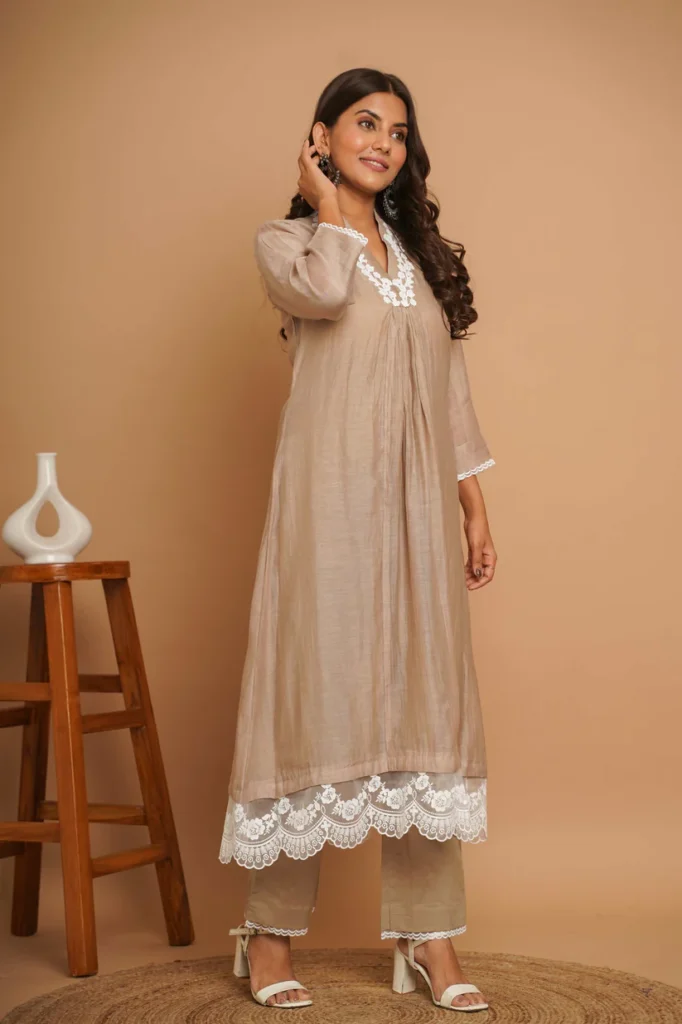
- Premium Fabric Selection: The linen feels like actual linen. The silk carries real weight. The cotton doesn’t go stiff after two washes. When the fabric is right, everything else follows naturally.
- Unique Color Palettes: Sage green, terracotta, dusty mauve, deep teal — colors that look chosen on purpose, not colors that were simply the safest option available.
- Artisanal Craftsmanship: Gota Patti along a tunic hem, thread work running quietly along a collar — these are the details that make someone standing close to you ask, where did you get that? Every Gulabik ethnic co ord sets for women is built to earn that question.
How to Style Your Look
The relief of a co-ord is that the matching is already handled for you. But there’s a real gap between wearing one and actually styling it well.
-
- Footwear Matters: For formal settings, pointed-toe heels or embellished juttis sharpen the entire look. For something relaxed — a weekend market, a Sunday brunch — Kolhapuri flats and chunky silver jewelry give the outfit an effortless, grounded quality.
- The Power of Accessories: A deep V-neck ethnic co ord sets for women pairs beautifully with a heavy choker. A high-neck tunic with long oxidized earrings has a quiet elegance that doesn’t compete with itself. When the outfit isn’t fighting for attention, your accessories actually land.
- The Layering Secret: Nobody mentions this enough you don’t always have to wear the set together. The tunic over straight-cut jeans on a casual Friday is a completely different outfit. The printed trousers with a plain white shirt for a client meeting works just as well. A well-made ethnic co ord sets for women is quietly two versatile pieces pretending to be one.
- Statistical Insight: The Shift in Apparel: The numbers confirm what Indian women have been telling each other informally for years. The global co-ord set market has grown over 25% year-on-year since 2021. In India, the ethnic fusion category now accounts for nearly 30% of the organized women’s apparel market.More telling: 65% of millennial Indian women now prefer fusion wear over traditional three-piece suits for daily work. The shift isn’t away from Indian wear — it’s toward Indian wear that fits into a real, fast-moving life without requiring a separate planning session.
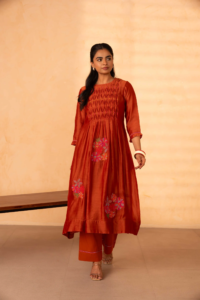
From Desk to Dinner: A Day in Gulabik
| Time | Scenario | Experience | Why Ethnic Co-ord Set Works |
|---|---|---|---|
| Monday Morning | You start your day wearing a Gulabik Ethnic Co-ord Set in muted sage green with subtle thread work | Feels structured, polished, and effortless | Blends professionalism with comfort—no stiffness of Western formals |
| 9 AM – Boardroom | First meetings of the day | You appear confident and composed while staying completely comfortable | Silhouette looks professional while allowing natural ease of movement |
| 1 PM – Lunch with colleagues | Midday break | No discomfort, no constant adjusting of outfit | Breathable cotton keeps you fresh and relaxed through long hours |
| 6 PM – Evening plan | Dinner invitation comes up | You simply switch flats to gold heels and add a red lip | Outfit transitions seamlessly from day to night without changing |
| All Day | Continuous wear from morning to night | Effortless confidence throughout the day | That’s the core advantage of a well-designed Ethnic Co-ord Set |
Sustainable Fashion and Longevity
At Gulabik, we run small production batches deliberately. Less waste, and better attention paid to each piece. The designs are also built to outlast a season — a Gulabik set isn’t something you’ll feel guilty about in eight months. It’s something you’ll reach for two years from now because the quality held and the design didn’t expire. That’s the only version of fashion genuinely worth investing in.
Conclusion: Redefining the Modern Identity
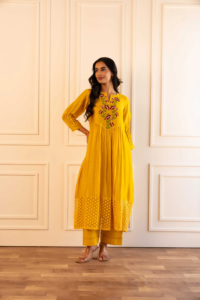
The modern Indian woman leads, travels, creates, and shows up — often all in the same week. Her clothes need to keep pace, not slow her down. The ethnic co ord sets for women is what happens when fashion stops asking women to work around their clothes and starts working around them instead.
Gulabik exists in that space — where heritage meets practicality and neither one compromises the other.
Explore the full collection at Gulabik.com and find the set that fits not just your measurements, but your actual life.
Follow us on Instagram – Gulabik.jpr
FAQs
- Are these sets formal?
Silk and embroidered versions work beautifully for weddings. Cotton sets are made for the office. - How do I choose a size?
Check the size chart and measure bust and hip — don’t assume your usual size will translate directly. - Can I mix and match?
Absolutely. The tunic works with denim; the trousers work with a solid shirt. Wear them together or apart — both work. - How do I wash them?
Festive silk should be dry cleaned. Cotton sets handle best with a cold-water hand wash to keep prints vibrant.